

A Comparative Analysis of FMCG and Direct Selling Industry
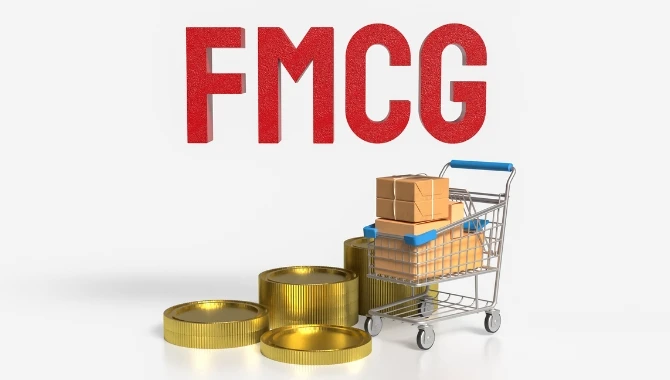
FMCG (Fast Moving Consumer Goods) and Direct Selling have distinct operational structures and market segments. Direct Selling excels in personalized experiences and niche markets, while FMCG benefits from mass reach and economies of scale.
Direct Selling offers personalized customer experiences, flexible work opportunities and a direct feedback loop for quick market responsiveness, while FMCG thrives on large scale operations, brand power and extensive distribution networks to deliver mass market products effectively.
Operational Efficiencies and Advantages of Direct Selling and FMCG
FMCG | Direct Selling |
Mass Reach | Personalized Experience |
FMCG products can be widely distributed through various retail channels, reaching a large customer base. | Direct sellers provide personalized product demonstrations, fostering customer loyalty. |
Economies of Scale | Inventory Management |
The high volume of sales in the FMCG industry allows for economies of scale in production and distribution. | Direct sellers have more flexibility in terms of work hours and locations, making it attractive for individuals seeking a part-time or flexible income. |
Brand Recognition | Cost Effectiveness |
FMCG brands often have strong brand recognition and loyalty, making it easier to penetrate the market. | Direct selling can be more cost-effective than traditional retail channels, as it eliminates the need for physical stores and intermediaries. |
Advanced Supply Chains | Flexibility |
FMCG firms have sophisticated logistics and distribution networks that allow them to move products quickly and efficiently. | Direct Sellers operate independently, providing personalized service to customers, allowing for faster feedback and product adjustments. |
Automation | Low Fixed Costs |
Many FMCG operations rely heavily on No brick-and-mortar retail locations, automated processes in manufacturing and operational costs are typically lower. packaging, which increases efficiency and reduces human error. | No brick-and-mortar retail locations, operational costs are typically lower. Most expenses are tied to product production and distributor commissions. |
Key Differences in Operational Structures
| FMCG | Direct Selling |
Distribution Channels | FMCG involves network of wholesalers distributors and retailers. | Direct selling relies on Direct Sellers |
Marketing and Sales | FMCG relies on mass marketing campaigns and traditional advertising. | Direct selling emphasizes Personal relationships and product demonstrations |
Market Segments | Well-suited for mass markets and products with high consumer Demand and frequent replenishment. | Effective in reaching niche markets, targeting specific demographics, and selling demographics, and selling products. |
Key Strengths
FMCG | Direct Selling |
Mass reach, economies of scale, brand recognition, and efficient distribution. | Personalization, flexibility, cost- effectiveness, and niche market focus. |
Written by: EBS Consultancy Group
Latest Blogs
-
 Southwestern Company: The World's First Direct Selling Business
-
 Why Your Bank and UPI App Are Powering India's $5 Trillion Ambition
-
 Leaders as Growth Catalysts
-
 Investor Relations Support
-
 Initiating the Dialogue: Business Growth Through Regulatory Brand Building
-
 Igniting Innovation and Creative Thinking
-
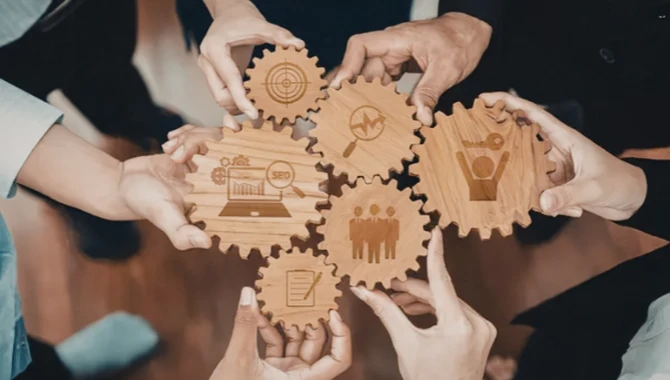 Enhancing Human Potential Through Synchronization of Organizational Goals
-
 Challenges and Opportunities in Building a Regulatory Brand
-
A Comparative Analysis of FMCG and Direct Selling Industry
-
 Mastering India’s Regulatory Ecosystem for Sustainable Business Growth
-
 How Regulations Shape India’s Economic and Governance Landscape
-
 The Importance of Regulatory Brand Building in the 21st Century Knowledge Economy
-
 How to do sales during Pandemic
-
 Global Stock Market Reaction to the Middle East Conflict
-
 Sharpen Your Common Sense & Presence of Mind
