

Enhancing Human Potential Through Synchronization of Organizational Goals
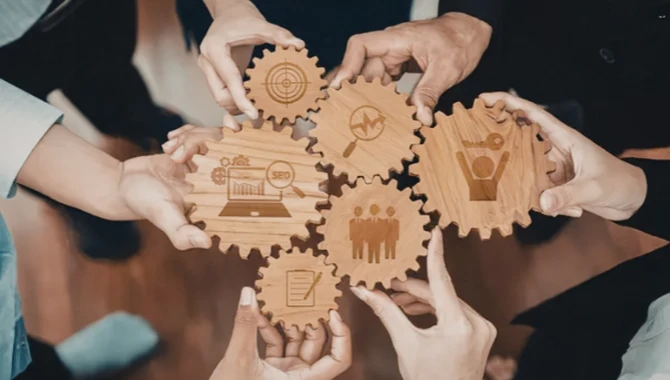
Organizations, like individuals, experience a life cycle of growth, maturity, and struggle. They are dynamic entities driven by the people within them. An organization's mission,mvision, and goals are only meaningful when individuals are motivated to achieve them.
Employees, too, have their own hierarchy of needs, as defined by Maslow's Hierarchy of Needs:
· Stage 1: Physiological Needs - Basic necessities like food, water, warmth, and rest.
· Stage 2: Safety Needs - Security and safety.
· Stage 3: Belongingness and Love Needs - Intimate relationships and friendships.
· Stage 4: Esteem Needs - Prestige and a sense of accomplishment.
· Stage 5: Self-Actualization - Achieving one's full potential, including creative activities.
As employees progress through their careers, their needs evolve in line with Maslow's hierarchy. Simultaneously, organizations have defined goals focused on mutual growth.
Aligning these organizational goals with the personal aspirations of employees fosters comprehensive development for both parties.
To create a win-win situation that promotes growth for both the organization and the individual, consider the following strategies:
- Clear Organizational Goals and Transparency: Ensure organizational goals are well- defined and communicated transparently to all employee
- Collaborative Approach: Involve employees in goal-setting, allowing them to take ownership of their goals and feel more invested in achieving them.
- Skill Development Opportunities: Provide opportunities for employees to develop the skills and knowledge the need to achieve their goals. This could involve training, mentorship programs, or conferences.
- Recognition and Rewards: Recognize and reward employees who successfully achieve their goals.
By aligning individual aspirations with organizational objectives, both the organization and
its employees can achieve sustained growth and success.
Written by: EBS Consultancy Group
Latest Blogs
-
 Southwestern Company: The World's First Direct Selling Business
-
 Why Your Bank and UPI App Are Powering India's $5 Trillion Ambition
-
 Leaders as Growth Catalysts
-
 Investor Relations Support
-
 Initiating the Dialogue: Business Growth Through Regulatory Brand Building
-
 Igniting Innovation and Creative Thinking
-
Enhancing Human Potential Through Synchronization of Organizational Goals
-
 Challenges and Opportunities in Building a Regulatory Brand
-
 A Comparative Analysis of FMCG and Direct Selling Industry
-
 Mastering India’s Regulatory Ecosystem for Sustainable Business Growth
-
 How Regulations Shape India’s Economic and Governance Landscape
-
 The Importance of Regulatory Brand Building in the 21st Century Knowledge Economy
-
 How to do sales during Pandemic
-
 Global Stock Market Reaction to the Middle East Conflict
-
 Sharpen Your Common Sense & Presence of Mind
