

Impact of Rising Disposable Incomes on Consumption
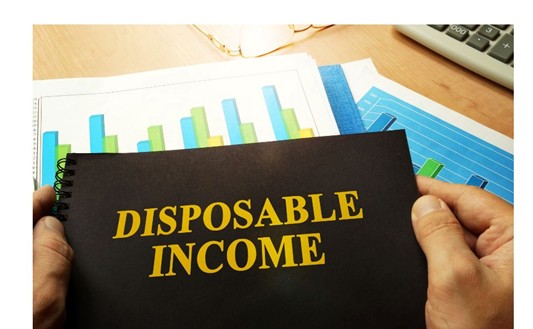
Impact of Rising Disposable Incomes on Consumption
The Indian economy has undergone a remarkable transformation over the past few decades. There was a time when phrases like “shortage economy,” “ship-to-mouth economy,” and the “Hindu Rate of Growth” — with growth stagnating around 3.5% — were used to describe India’s economic condition.
Back then, scarcity defined everyday life — long queues for essential commodities were common, and obtaining something as basic as a gas connection or a telephone line could take months.
However, over the last 35 years, the winds of change brought by landmark economic reforms have completely reshaped the nation’s trajectory. India has emerged as one of the fastest-growing large economies in the world and now proudly stands among the top five global economies.
This economic transformation has had a profound impact on consumer spending behaviour and market expansion. Rising disposable incomes are empowering individuals and households with greater purchasing power, leading to evolving preferences, shifting priorities, and changing patterns of consumption.
India’s consumption landscape today is vibrant, aspirational, and discerning. The modern Indian consumer embodies the spirit of “Yeh Dil Maange More” — always seeking better quality, variety, and experience. In response, businesses are continuously innovating, personalizing, and aligning their products and services to meet the evolving expectations of this increasingly empowered consumer base.
Key Impacts of Rising Disposable Incomes on Consumption
Ω Shift from Necessities to Aspirational Consumption
Consumers are moving beyond basic needs, spending more on lifestyle, leisure, and luxury products.
Ω Growth of Premium and Branded Segments
Higher incomes have led to greater brand consciousness and demand for premium products that reflect social identity and quality aspirations.
Ω Expansion of Urban and Semi-Urban Markets
Rising prosperity in Tier 2 and Tier 3 cities is driving consumption growth beyond metropolitan areas.
Ω Rising Demand for Experiences
Consumers are increasingly prioritizing experiences such as travel, dining, entertainment, and wellness over material possessions.
Ω Increased Access to Credit and Financial Inclusion
Digital finance and easy access to credit are fueling higher-value purchases and broadening market participation.
Ω Changing Savings and Investment Patterns
Households are balancing higher consumption with smarter financial planning and diversified investments.
Ω Broader Economic Impact
Rising disposable incomes stimulate domestic demand, attract investment, and contribute to sustained economic growth.
Written by: Nikhilesh Kunal
Latest Blogs
-
 Southwestern Company: The World's First Direct Selling Business
-
 Why Your Bank and UPI App Are Powering India's $5 Trillion Ambition
-
 Leaders as Growth Catalysts
-
 Investor Relations Support
-
 Initiating the Dialogue: Business Growth Through Regulatory Brand Building
-
 Igniting Innovation and Creative Thinking
-
 Enhancing Human Potential Through Synchronization of Organizational Goals
-
 Challenges and Opportunities in Building a Regulatory Brand
-
 A Comparative Analysis of FMCG and Direct Selling Industry
-
 Mastering India’s Regulatory Ecosystem for Sustainable Business Growth
-
 How Regulations Shape India’s Economic and Governance Landscape
-
 The Importance of Regulatory Brand Building in the 21st Century Knowledge Economy
-
 How to do sales during Pandemic
-
 Global Stock Market Reaction to the Middle East Conflict
-
 Sharpen Your Common Sense & Presence of Mind
