

Urbanization & Infrastructure Growth
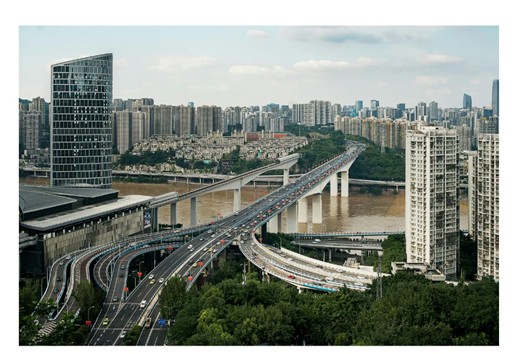
Urbanization & Infrastructure Growth
There is a popular saying that India lives in its villages — but this may not hold true for much longer. Increasing pressure on agricultural lands across the rural heartland is making it difficult to sustain livelihoods for millions who continue to depend on farming.
Just picture the bustling railway stations or interstate bus terminals of major metropolitan cities like Mumbai, Delhi, Bengaluru, Chennai, and Hyderabad — each day, thousands of people arrive from every corner of the country in search of better opportunities and a more secure future.
Urbanization in India is happening at a trailblazing pace. In recent years, the Government of India has launched several landmark initiatives such as the PM Gati Shakti National Master Plan — a comprehensive framework for infrastructure development aimed at providing multi-modal connectivity and ensuring seamless movement across key economic zones.
India is undergoing a massive wave of urban transformation that is reshaping its economic and social landscape. Cities have emerged as the epicentres of growth, innovation, and opportunity — drawing people from across the nation in pursuit of modern amenities and better quality of life.
The country’s urban landscape continues to expand rapidly, driven by population growth, industrialization, and a vibrant service sector. Flagship government programs such as:
• Smart Cities Mission
• AMRUT (Atal Mission for Rejuvenation and Urban Transformation)
• Bharatmala
• Sagarmala
have provided strong momentum to India’s infrastructure growth story. These initiatives are not only enhancing connectivity and housing but also improving the overall quality of life through better mobility, sanitation, energy efficiency, and digital integration.
The rise of megacities and urban corridors has given birth to new consumer hubs and evolving lifestyle patterns. With improved roadways, metro systems, airports, Page 1 of 2 October 2025 and communication networks, convenience and accessibility have increased dramatically — influencing aspirations for global standards of living.
This wave of urban expansion has also generated vast employment and entrepreneurial opportunities across sectors such as real estate, retail, construction, and services.
Urbanization in India, unfolding at breathtaking speed, is far more than a demographic shift — it is a reflection of the nation’s growing confidence and ambition. Prioritizing smarter cities, sustainable infrastructure, and enhanced connectivity, India is redefining the future of urban living.
A clear testament to this transformation lies in the development of twin international airports in both Delhi and Mumbai. The Delhi-NCR region, in particular, is projected to soon become the world’s largest urban conglomerate, with an estimated population of over 40 million, surpassing even Tokyo — a symbol of India’s unstoppable march towards urban modernity.
Written by: Nikhilesh Kunal
Latest Blogs
-
 Southwestern Company: The World's First Direct Selling Business
-
 Why Your Bank and UPI App Are Powering India's $5 Trillion Ambition
-
 Leaders as Growth Catalysts
-
 Investor Relations Support
-
 Initiating the Dialogue: Business Growth Through Regulatory Brand Building
-
 Igniting Innovation and Creative Thinking
-
 Enhancing Human Potential Through Synchronization of Organizational Goals
-
 Challenges and Opportunities in Building a Regulatory Brand
-
 A Comparative Analysis of FMCG and Direct Selling Industry
-
 Mastering India’s Regulatory Ecosystem for Sustainable Business Growth
-
 How Regulations Shape India’s Economic and Governance Landscape
-
 The Importance of Regulatory Brand Building in the 21st Century Knowledge Economy
-
 How to do sales during Pandemic
-
 Global Stock Market Reaction to the Middle East Conflict
-
 Sharpen Your Common Sense & Presence of Mind
